The Second Flower
Every flower casts a shadow, but we rarely look at it. We focus on the petal, the color, the form — all the things that the flower presents to the world. But at dusk, when the light comes from a low angle and carries the warmth of the dying day, the shadow becomes something else entirely: a second flower, darker and more mysterious than the first, stretched across walls and floors like a whisper of the original.
This article explores the art of capturing that shadow — the ephemeral, elongated, abstract version of a flower that exists only in the brief window between afternoon and night.
The Golden Hour Window
The best shadow photography happens in a narrow window of time — roughly the last 90 minutes before sunset, when:
- The sun is low enough to cast long, dramatic shadows
- The light is warm enough to give shadows a golden edge
- The intensity is soft enough that contrast is manageable
- Flowers are still fully open but beginning to respond to the dimming light
The very last 15 minutes — when photographers call it "magic hour" — produces shadows so long and soft they seem to belong to another world entirely.
Technical Approach
Capturing flower shadows requires a different technical mindset than standard flower photography:
- Expose for the shadow: Let the flower itself be slightly overexposed; the shadow should have detail and richness
- Use a narrow aperture: f/8 to f/11 ensures both the flower and its shadow are in focus
- Choose your surface: Shadows on textured surfaces — stone walls, linen, weathered wood — become more interesting than those on flat white
- Position deliberately: Move the flower and its container until the shadow falls in a compositionally interesting way
- Include partial flowers: Sometimes showing just the edge of the real flower with its complete shadow is more powerful than showing both in full
Flowers That Cast the Best Shadows
Not all flowers are equal in shadow. The most photogenic shadows come from flowers with:
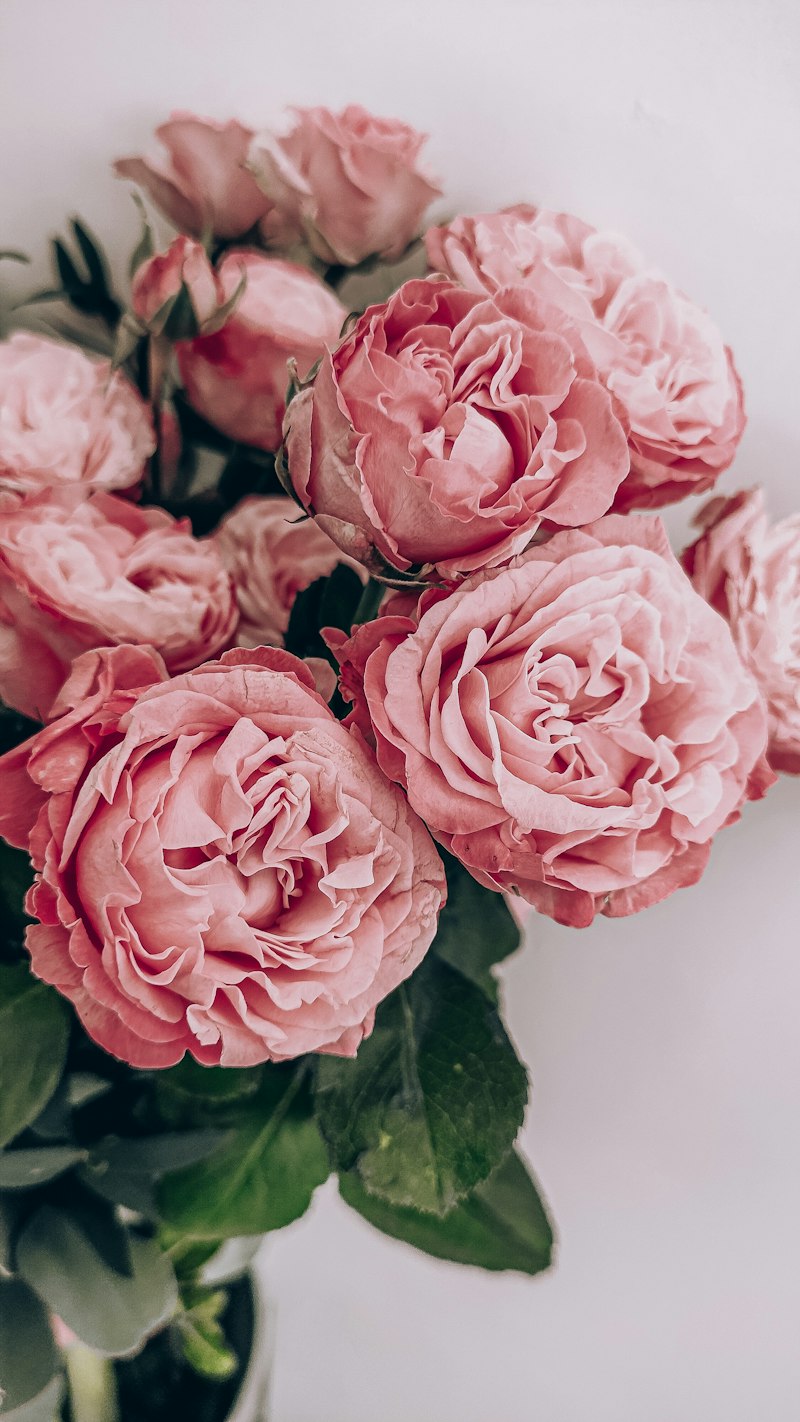
- Strong, defined shapes: Roses, poppies, and lilies cast recognizable silhouettes
- Delicate, complex forms: Queen Anne's lace, fennel flowers, and grasses create lace-like shadow patterns
- Single stems: One stem in a slender vase creates the cleanest, most elegant shadow
- Translucent petals: Backlit petals that glow while casting delicate shadows create dual beauty
"The shadow of a flower is the flower's dream of itself — the same shape, but freed from color and weight, stretched toward something it can never quite reach."