Inspiration
The idea for this arrangement came to me during a quiet evening walk through the garden. As dusk settled over the rose bushes, I noticed how the soft twilight transformed their colors—vibrant reds became gentle pinks, bright yellows softened to cream, and the white roses seemed to glow with an inner light. Alongside the roses, lisianthus swayed gently in the evening breeze, their delicate petals catching the last rays of sunlight.
This moment of natural harmony inspired me to recreate that gentle dialogue between roses and lisianthus in a floral arrangement that captures the essence of dusk—soft, romantic, and full of quiet beauty.
Flower Selection
The foundation of this arrangement rests on two primary flowers, each chosen for their complementary qualities:
Dusk Roses
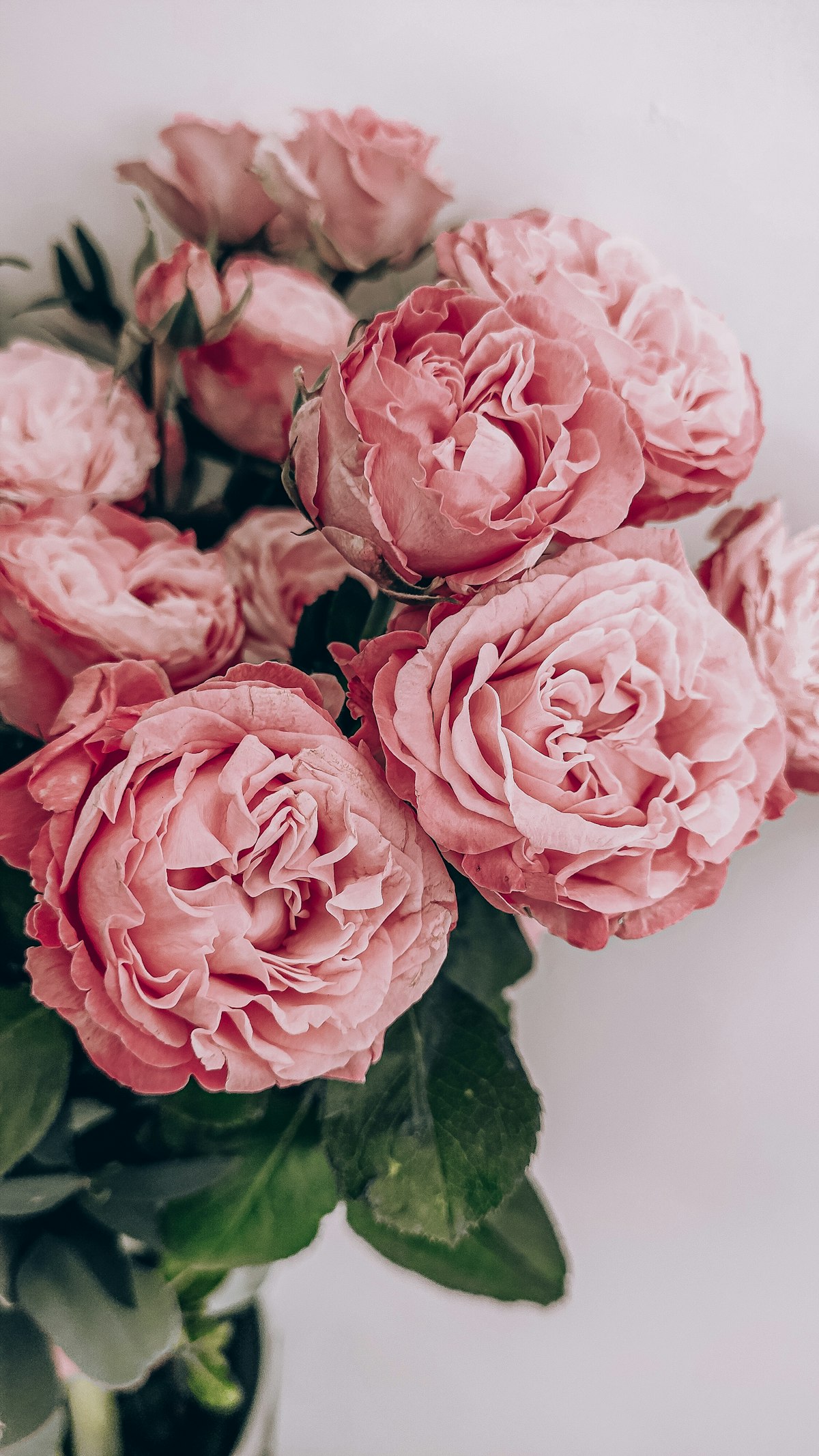
I selected roses in muted, dusky tones—mauve, dusty pink, and soft apricot. These varieties, including 'Dusk Dancer' and 'Twilight Zone', have an inherent melancholy beauty that speaks to the transition from day to night. Their petals have a velvety texture that seems to absorb light rather than reflect it, creating depth and mystery.
Lisianthus
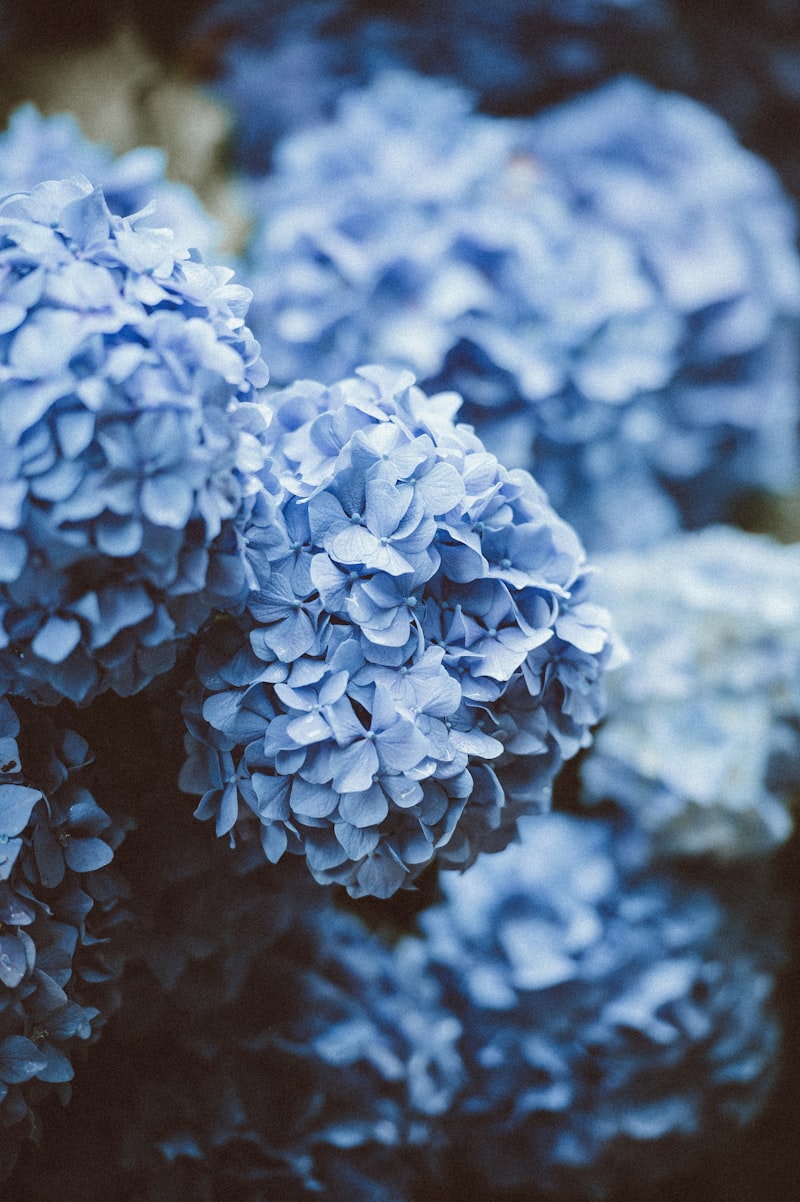
Lisianthus, also known as Eustoma, brings a delicate elegance to the arrangement. I chose varieties in coordinating pastel shades—lavender, pale pink, and cream. Their rose-like form creates visual harmony while their lighter, more translucent petals provide contrast to the denser rose blooms.
Supporting Elements
To complete the arrangement, I added:
- Silver dollar eucalyptus: Provides structure and a muted green backdrop
- Baby's breath: Adds airiness and mimics the light quality of dusk
- Italian ruscus: Offers dark green contrast and longevity
Color Philosophy
The color palette draws directly from dusk aesthetics. Rather than bright, saturated colors, I worked with tones that have been "touched by dusk"—colors that appear as if filtered through evening light. This means:
- Muted rather than vibrant hues
- Colors with gray or purple undertones
- Gradual transitions between shades, mimicking the sky at sunset
- Overall warmth balanced with cool undertones
The result is an arrangement that feels cohesive yet complex, simple yet sophisticated—a visual poem about the beauty of transition.
Arrangement Technique
The arrangement follows a natural, garden-style approach:
- Begin with greenery: Create a loose framework with eucalyptus and ruscus, allowing stems to flow naturally
- Add roses: Place roses at varying heights, with the largest blooms lower and smaller buds higher
- Insert lisianthus: Tuck lisianthus between roses, creating pockets of delicate contrast
- Finish with fillers: Add baby's breath throughout to create softness and movement
The key is to avoid symmetry or rigid structure. Dusk is fluid and ever-changing, and the arrangement should reflect that quality.
Care Instructions
To ensure your dusk-inspired arrangement lasts as long as possible:
- Trim stems at a 45-degree angle before placing in water
- Change water every two days, adding flower food
- Keep away from direct sunlight and heat sources
- Roses and lisianthus prefer cool temperatures (65-72°F)
- Remove any wilted flowers promptly to prevent ethylene gas buildup
With proper care, this arrangement should last 7-10 days, allowing you to enjoy its dusk beauty through multiple evenings.
"In the gentle light of dusk, roses and lisianthus converse in whispers of color and form—a reminder that the most beautiful dialogues require no words."
Final Thoughts
This arrangement is more than a collection of flowers—it's an attempt to capture a moment, a feeling, a quality of light that exists only in transition. When you look at it, I hope you feel the same peace I felt in that garden at dusk, when the world slows down and beauty reveals itself in subtle ways.
May this arrangement bring a touch of dusk's gentle magic into your space.