The Beauty of Letting Go
There is a particular kind of beauty that only emerges when we allow things to complete their natural cycle. Dried flowers are not failed versions of fresh ones — they are something else entirely, possessing a quiet dignity that fresh blooms can never achieve. Their colors have deepened and mellowed, their textures have become more complex, and their forms have settled into permanent, sculptural poses.
Autumn, with its natural inclination toward transition and release, is the perfect season for working with dried botanicals. Paired with eucalyptus — that silvery, aromatic guardian of the garden — dried flowers create arrangements that speak of memory, patience, and the beauty found in things that have been preserved rather than lost.
Choosing Your Dried Elements
The foundation of a compelling dried arrangement lies in the diversity of textures and forms:
- Dried roses and peonies: Their petals darken to deep burgundy and mahogany, retaining just enough softness to catch the light
- Statice and sea holly: Providing architectural structure with their papery textures and geometric forms
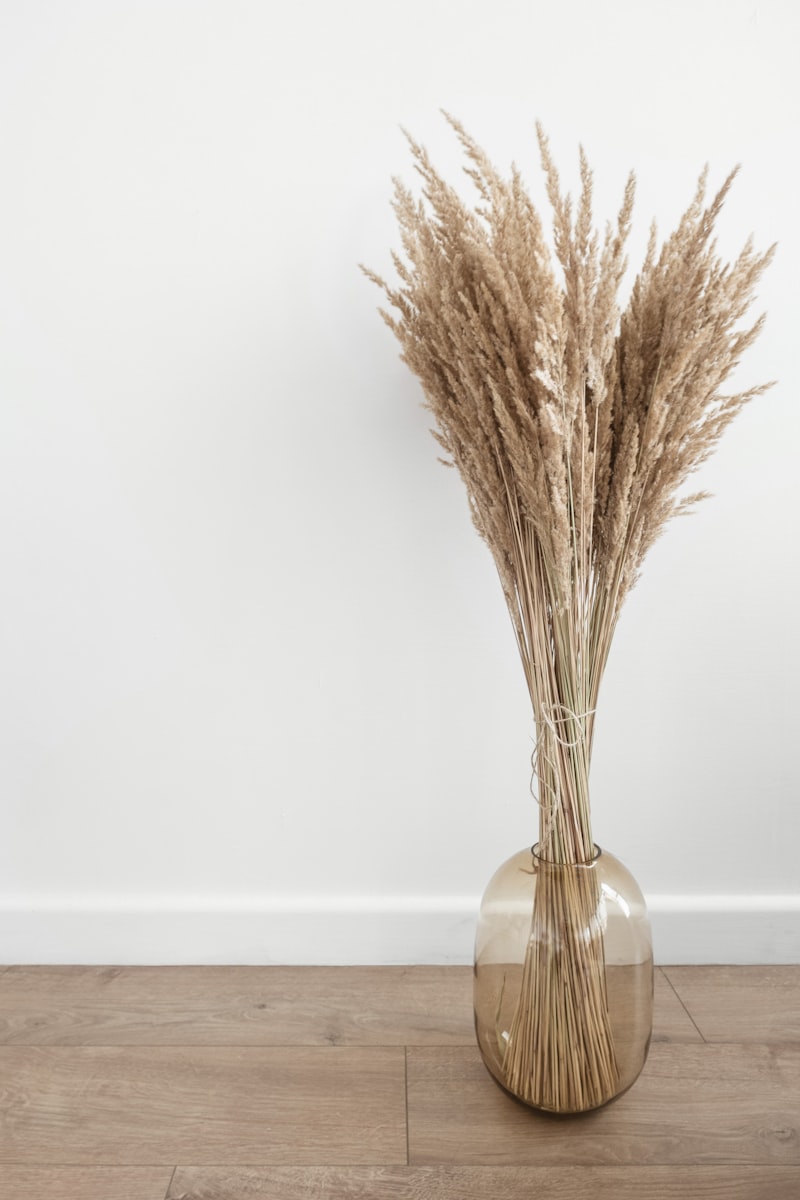
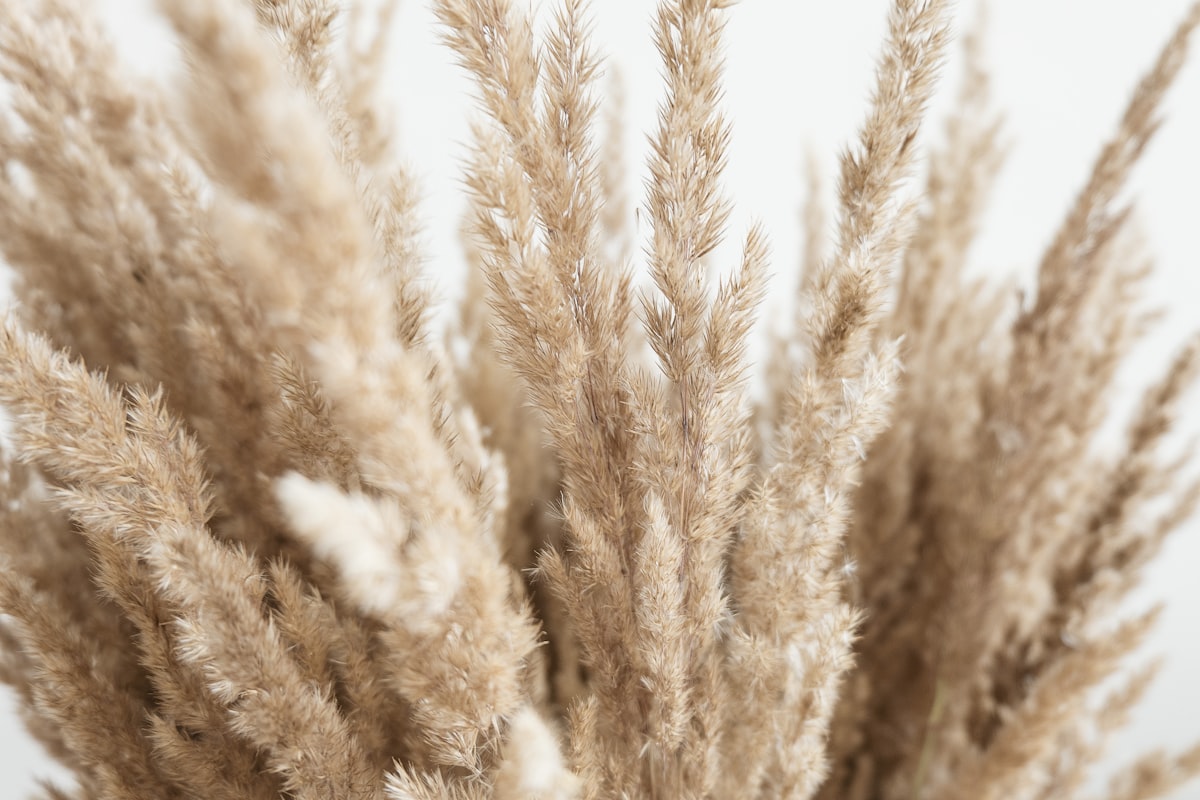
- Dried grasses and wheat: Adding height, movement, and a sense of the field
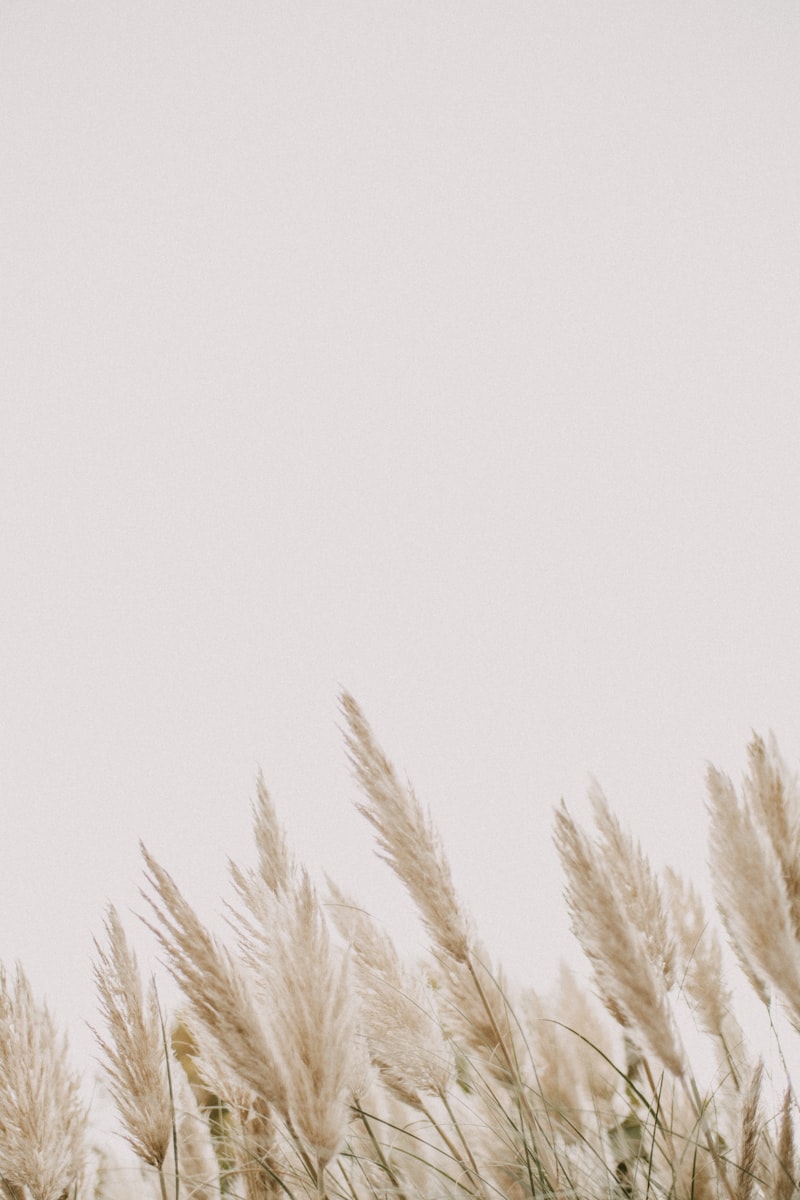
- Pampas grass: Bringing voluminous softness that contrasts with the more rigid elements
Eucalyptus: The Silver Thread
Eucalyptus serves as the unifying element in this arrangement. Its silvery-green leaves provide a cool, aromatic backdrop that allows the warmer tones of dried flowers to glow with greater intensity. Several varieties work beautifully:
- Silver dollar eucalyptus: Round, coin-shaped leaves that dry to a lovely silvery sage
- Seeded eucalyptus: With its decorative seed pods adding textural interest
- Willow eucalyptus: Longer, narrower leaves that create elegant draping lines
Even after drying, eucalyptus retains its clean, camphor-like fragrance — a subtle scent that fills a room without overwhelming it, much like the memory of a garden long after the last petal has fallen.
Color Philosophy of Autumn
The autumn dried flower palette differs from fresh arrangements in important ways. Rather than bright, living colors, we work with tones that have been "aged" — as if time itself has applied a filter of maturity and depth:
- Deep burgundy and rust, like the last leaves clinging to branches
- Dusty rose and mauve, softened by the drying process
- Silver and sage, from eucalyptus and dried foliage
- Cream and wheat gold, from ornamental grasses
Creating the Arrangement
- Start with structure: Create a framework with dried branches and tall grasses, establishing height and movement
- Add eucalyptus: Weave eucalyptus stems throughout, letting them cascade naturally over the container's edge
- Place focal flowers: Position dried roses and larger blooms at varying heights, creating a natural, organic flow
- Fill with texture: Tuck statice, sea holly, and smaller elements between the larger pieces
- Finish with pampas: Add pampas grass plumes for softness and volume
"Dried flowers remind us that beauty does not end with the bloom — it simply changes form, becoming something quieter, wiser, and more enduring."