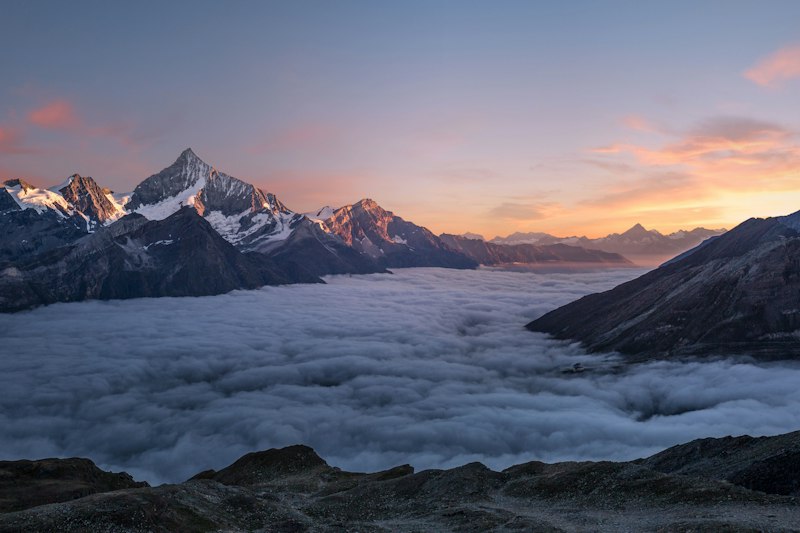

Dusk has a way of softening edges, of making the harsh gentle and the hard tender. The world that was so clearly defined at noon — every building sharp against the sky, every shadow firmly attached to its object — becomes something more ambiguous as the light begins to fail. Colors merge. Boundaries blur. The rigid geometry of the afternoon gives way to the flowing watercolor of the evening.
The Tenderness of Transition
I have been thinking about tenderness — what it is, where it comes from, why it seems most accessible during the liminal hours. Tenderness is not weakness, though it is often mistaken for it. Tenderness is the willingness to be moved by things — by the sight of a single flower persisting in a crack in the pavement, by the sound of a child's laughter from a distant garden, by the way the last light of day turns even the most ordinary street into something sacred.
Dusk makes us tender because it reveals the world's vulnerability. In full daylight, everything seems permanent, solid, unchangeable. But as the light dims, we see that this permanence is an illusion. The colors will fade. The shadows will deepen. The day will end. And in that recognition of impermanence, tenderness arises naturally — not as a choice but as a response.
Flowers and Tenderness
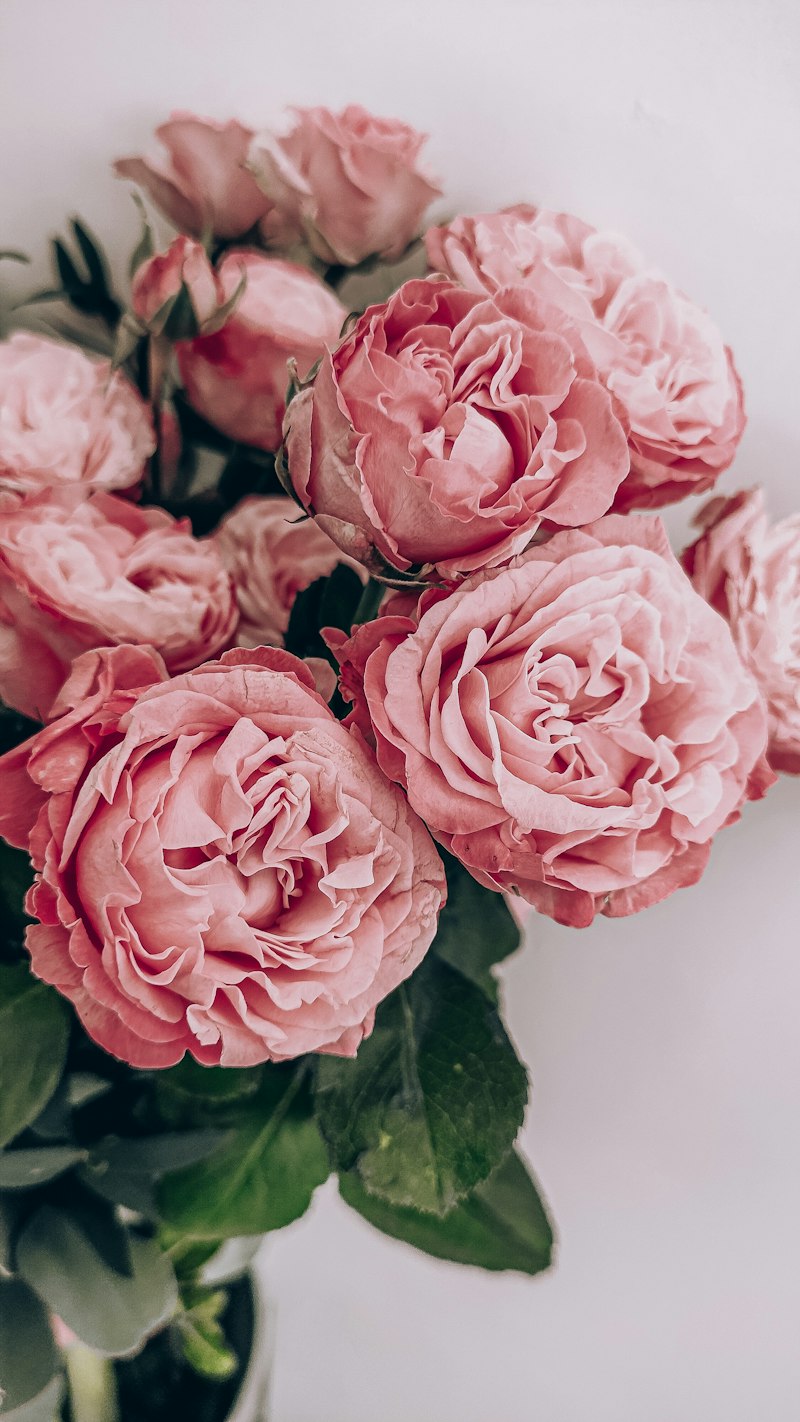
Perhaps this is why flowers and dusk belong together. A flower is the most tender of things — a structure so delicate that a single raindrop can bruise it, so ephemeral that its entire life spans only days. And yet it opens. It blooms. It offers its beauty to the world without reservation, without defense, without condition.
At dusk, this tenderness becomes more visible. The soft light reveals what the harsh noon sun obscures: the translucence of petals, the faint veins that carry life through each bloom, the way a flower turns toward the fading light as if reluctant to let it go. In these details, I find a mirror for my own tenderness — the parts of myself that I hide during the bright, efficient hours of the day but that emerge naturally as the light softens.
An Evening Practice
I have made it a practice to spend time with flowers at dusk. Not arranging them, not photographing them, not analyzing them — simply being with them. I place a single stem in a simple vase by the window where it will catch the last light, and I sit nearby and watch as the light changes and the flower's colors shift and deepen.
In these quiet minutes, something happens that I can only describe as a meeting. The flower and I are both present, both temporary, both beautiful in our fragility. We do not speak. We do not need to. The tenderness that passes between us is older than language, older than thought, and it heals something that no words could ever reach.
"Tenderness is not something we give to the world. It is something the world gives to us, if we are quiet enough to receive it — especially in the soft, forgiving light of dusk."